


New UPD Chief Sean Forde Discusses Campus Safety, Outreach and Department Goals
By Nolan Locke and Summer Tyler
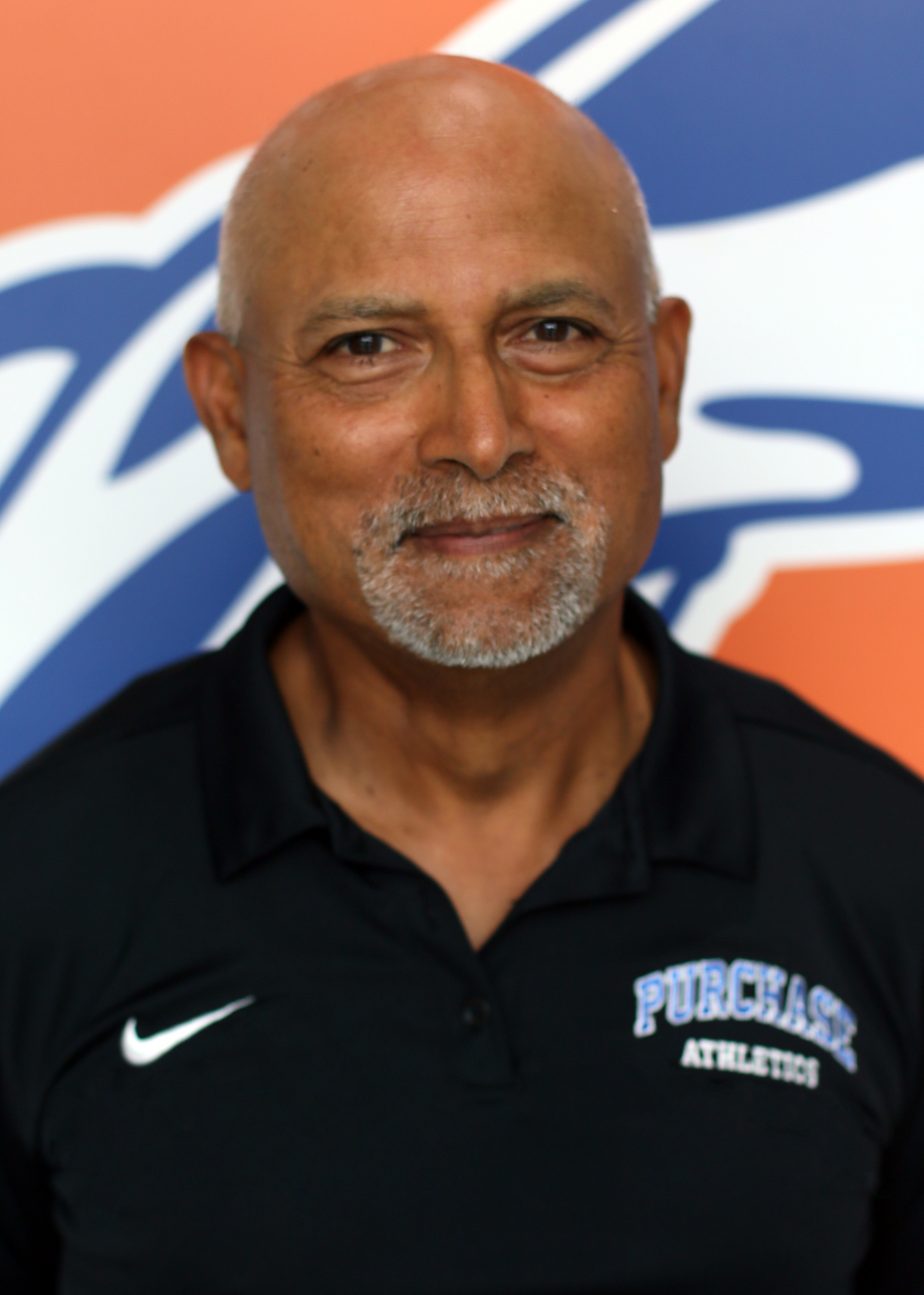
Sean Forde is the new chief of police for the University Police Department (UPD). He brings over 25 years of experience, including working for the Town of Mount Pleasant Police from 2000 to 2025, teaching criminal justice as an adjunct professor at Westchester Community College, and serving as interim chief of police from 2025 to 2026 at SUNY Maritime College. Throughout his career, Forde continued investing in law enforcement-related training and education. He started his tenure at Purchase in June of 2026.

To start, could you tell us about your background in law enforcement?
While there [at Mount Pleasant Police], I trained and was certified in a number of specialties. Among those were field training officer, general topics police instructor, domestic violence awareness, commercial vehicle safety specialist, and interdiction counter-terrorism training. In 2011, I was hired by Westchester Community College as an adjunct professor of criminal justice, where I instructed classes at the main campus in Valhalla, but also at many of their extension sites, including Ossining, New Rochelle, Yonkers, and Mount Vernon.
In 2013, I received a promotion to sergeant and began my police supervision journey. This was a great opportunity to share my experience and insight to enhance officer skills and awareness and also to relay the perspectives many of my WCC [Westchester Community College] students expressed to me as their professor. I believe this exchange of information made my team better overall.
I was promoted again in July 2018 when I was then made lieutenant. I served as patrol division commander, a role I shared with a friend and colleague, Lieutenant Martin Greenberg. In this role, I was able to collaborate with Chief Paul Oliva and many stakeholders to advance the training and services of the department. We were able to create a school resource officer program, an emergency services unit, a tactical response team, and a K9 unit. None of these services were previously available through our department, so in the past, when special services were needed, we would have to request them from other agencies. These programs and initiatives have become valuable public safety assets for the community.
In 2007, I attended Mercy College [now Mercy University], where I earned a master's degree in organizational leadership. In 2017, I enrolled at Boston University and earned a master's in criminal justice administration.
So students know, what does your job entail specifically?
My job has many responsibilities related to the health and safety of the community, including during emergencies. I manage the administration, safety programs, and daily operations of the campus university police and security officers. At the same time, I’m also responsible for enforcing local, state, and federal laws and SUNY regulations. I oversee the administration of training, staffing, and the department budget. I also network and liaise with other departments and organizations on campus to ensure continued cooperation and productivity in support of positive campus experiences.
How will you handle community outreach?
Community outreach is an ongoing process. The officers and all personnel at UPD are actively engaged with the campus community every day. Every semester, Inspector Cindy Markus instructs the RAD [Rape Aggression Defense] program for students. Besides the training and education outlined in a syllabus, students and class participants get to work directly with Inspector [Cindy] Markus and other officers in ways that foster collaboration and community. Since my arrival, I have been actively engaged with Residential Life. UPD Officers have met and spoken with new RA’s [Residential Assistants] at the start of the semester. UPD hosted training for the RC’s [Residential Coordinators] and I have built a strong working relationship with the staff in Res Life [Residential Life].
These professional relationships place the students and college community at the forefront of everything and really support open dialogues and transparency between departments and students. UPD has in the past and will in the future make other training available. There has been interest from the community to offer active shooter response training, and we are looking to make this happen in the near future. In a less formal approach, I dine on campus almost every day. I am open to meeting anyone, and I welcome all conversations. It is important for me to share that everything I do as police chief at SUNY Purchase is in support of building trust, promoting safety, and strengthening our sense of community on campus.
What brought you to Purchase? Why was your tenure at SUNY Maritime so short?
Maritime is a great place; the staff and faculty were welcoming and supportive. The officers and staff of the UPD exude professionalism; students were very disciplined in their work and studies, and the waterfront campus is beautiful. By accepting the SUNY Purchase chief of police position, I was given the opportunity to lead a larger department on a much bigger campus with many more students, staff, and faculty. Coming to SUNY Purchase was an opportunity for professional growth in an area where I already have an established network of law enforcement professionals around the county available to me every day if needed.
As chief of police, how can you allow students, staff and your personnel to feel safe in times when students want to exercise their right to assembly?
I am a strong supporter of the right to assembly. All members of the community have the right to have their voices heard on any matter. I am committed to working with the campus to make sure the community understands college policies and state laws, so they do not violate the rights of others and are able to assemble and express themselves.
They have to understand that we support their right to assembly. Everything that we do at UPD is about the safety, health and community of the college. But if one person wants to engage in exercising their rights in a way that infringes upon somebody else’s rights, then we have a problem. And that’s why the past president, I imagine, is probably one of the reasons why they created these free speech zones so that people could engage in free speech, sharing their thoughts and beliefs. But they could do it in a way that’s not disruptive to everybody else who is here to learn and work and grow.
How available will you make yourself to the campus community?
I am readily available to the campus community. I am willing to meet, attend events, and answer emails or phone calls whenever I can.
Are there any new policies you're looking to introduce this year?
Any time someone takes on a new role, there should be an observation period, so you can see how things are being run. While I haven’t implemented any new policies surrounding the Stood or anything else, it seems there have been some misunderstandings. To address that misinformation, there have been numerous meetings with Stood staff, club leadership, and even a town hall meeting. One of my goals is to communicate the role of UPD more clearly to the Purchase community. This is not a policy change, just an improvement in communication and transparency.

Are there Purchase campus policies you don't agree with?
None that I am aware of, but I am still learning on the job.
Have the events at the Stood’s Jump Off event posed any unique challenges early into your tenure?
The issue has been discussed at length with Stood staff, club leadership, and at a Town Hall meeting. The Jump Off party came to an unplanned early end due to a safety issue happening outside the event. The Jump Off event had some delays in opening and also received much more interest than anticipated. The size of the outside crowd and level of noise made it extremely difficult to maintain everyone’s safety. With the circumstances presented, I consulted with the director of residential and student life when we decided that, in the interest of everyone’s safety, we needed to end the event early. Stood events will continue in the future, but improved safety measures and planning will be part of the process.
Are there any specific plans you have to bridge the relationship between UPD and the student body?
There’s new programming coming through UPD as far as campus safety and response to emergencies that will include student involvement and staff/faculty involvement. As that program starts to build up, you’re gonna see us out in the community, sharing what is expected from the community, what they can expect from us, and again, all focused on campus safety, everybody else, and keeping the community intact. It’s not something I can share yet [the name of the program] because my own department isn't even aware right now. There was a program in the past; Lieutenant Canero was teaching it. It was Response Active Shooter. This is something along those lines but with a broader scope for all types of emergencies and expectations of everybody here on campus.
What is your biggest goal for this year and in years to come?
My biggest goal was accreditation for the police department. Accreditation is a huge undertaking. What it does is, it is a way of assuring professional police services to the community that we serve. There are a lot of stringent requirements in achieving that status. This is a top-notch police facility, which is a huge part of that process. The second part is staffing, training, and our engagement with the community. While it is a priority, the Stood has really been taking a lot of my time. Getting myself out there to the rest of the college community has also taken a lot of time. I realized that as important as accreditation is, maybe I can’t make that happen in my very first year.


Comments